Global Flavors Japanese Teriyaki Salmon
Highlighted under: Worldly Bites
I absolutely love preparing this Japanese Teriyaki Salmon, as it transports my taste buds straight to the streets of Tokyo. It's incredibly easy to make, and the combination of flavors brings a delightful sweetness that just makes my palate dance. Perfectly cooked salmon paired with a rich, homemade teriyaki sauce is the highlight of my weeknight dinners. This dish is not only satisfying but also a healthy choice that I often make for my family and friends, allowing me to share the delightful taste of Japan right at home.
When I first tried making Japanese teriyaki sauce at home, I was surprised by how simple and delicious it turned out. The balance of soy sauce, mirin, and a touch of sugar created a glaze that was perfect for any protein, but salmon truly held the flavor so perfectly. I’ve learned that marinating the salmon for a while enhances the flavors even more, so I often prepare it ahead of time.
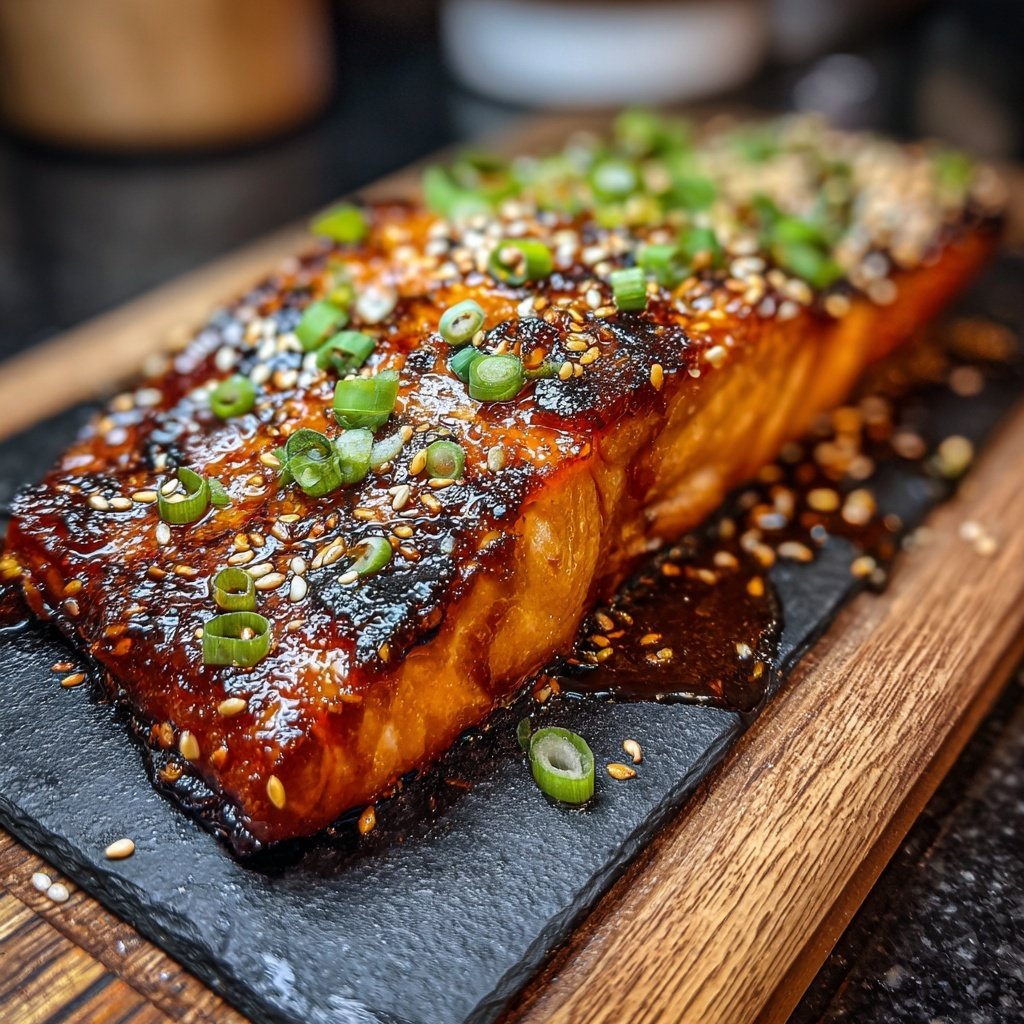
What makes this teriyaki salmon special is the quick pan-searing method that lets the fish get that nice crispy edge while keeping the inside tender. By finishing it with a drizzle of freshly made sauce, I have a dish that feels gourmet but comes together in less than thirty minutes. It’s become one of my go-to meals for impressing guests!
Why You Will Love This Recipe
- Sweet and savory flavors that create a delicious glaze
- Quick preparation, perfect for busy weeknights
- Healthy dish that pairs well with rice and vegetables
Understanding Teriyaki Sauce
The teriyaki sauce plays a crucial role in this recipe, providing a harmonious balance of sweetness and umami. Mirin, a sweet rice wine, contributes to the sauce’s characteristic flavor profile. If mirin is unavailable, substitute it with a mixture of white wine and sugar in equal parts. The addition of ginger and garlic enhances the sauce’s complexity, while the cornstarch thickens it for a glossy finish that clings beautifully to the salmon. Be sure to simmer the sauce until it reduces to about half; this intensifies its flavors.
When preparing the sauce, keep an eye on the heat. Medium heat is ideal to prevent the sugars from burning, which can result in a bitter taste. Stir frequently while bringing the mixture to a simmer, and ensure the cornstarch is fully dissolved to achieve a smooth texture. Should you find your sauce too thick, simply add a bit of water until it reaches your desired consistency. It’s a smart idea to taste the sauce as you go to ensure it meets your sweetness and saltiness preferences.
Cooking Salmon to Perfection
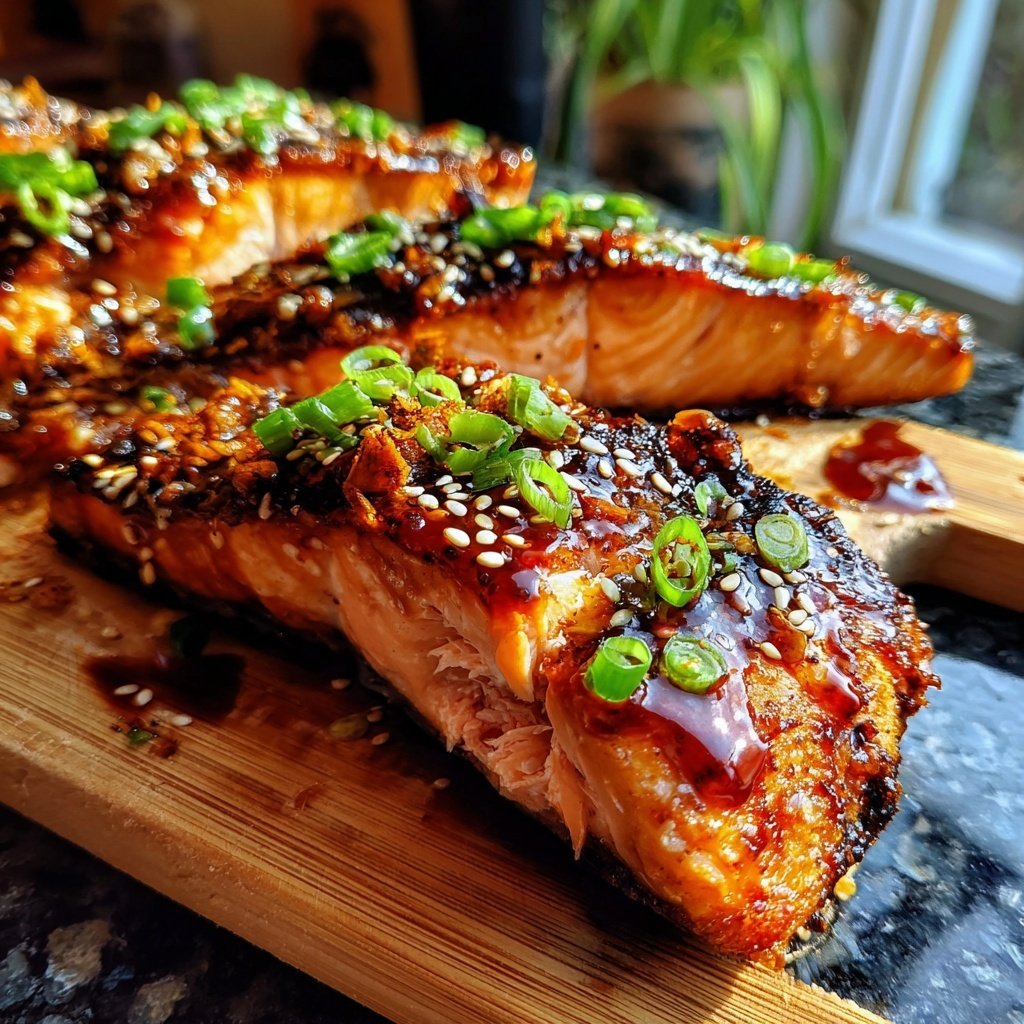
For the salmon fillets, skin-on pieces are preferable as the skin protects the fish during cooking and adds additional flavor. When heating the vegetable oil, make sure it's hot enough by performing a simple test: flick a drop of water into the pan. If it sizzles, you’re ready to go. Cooking on medium-high heat allows for a crispy skin without overcooking the fish. Monitor the salmon closely; the fish will change from translucent to opaque, and you want it cooked just until the center is still slightly translucent for optimal tenderness.
If you’re worried about overcooking, use a fork to gently flake the thickest part of the salmon. It should come apart easily but still be moist. To ensure even cooking, try to use fillets that are uniformly thick. If one side of your fillet is thicker than the other, consider gently splitting it before cooking to promote even doneness. For a flavor variation, marinate the salmon briefly in the teriyaki sauce before cooking for additional depth, but be careful not to marinate too long to avoid overpowering the fish.
Serving Suggestions and Leftovers
This teriyaki salmon pairs wonderfully with plain steamed rice or fluffy jasmine rice. The simplicity of the rice allows the sauce's robust flavor to shine through. Consider adding a side of sautéed or steamed bok choy, broccoli, or snap peas for a bright, healthy contrast. Drizzle any leftover teriyaki sauce on your vegetables to tie the meal together. I often like to sprinkle some sesame seeds and sliced green onions right before serving for a bit of color and texture, enhancing both the visual appeal and flavor.
If you have leftovers, store the salmon in an airtight container in the fridge for up to three days. To reheat, avoid the microwave if you can; instead, gently warm the salmon in a skillet over low heat. This helps retain moisture and prevent the fish from drying out. You can also flake any leftover salmon and use it in a salad or sushi rolls for a delightful second meal. This versatility makes this dish a staple in my cooking rotation!
Ingredients
For the Teriyaki Sauce
- 1/2 cup soy sauce
- 1/4 cup mirin
- 2 tablespoons brown sugar
- 1 tablespoon grated ginger
- 1 tablespoon minced garlic
- 1 tablespoon cornstarch mixed with 1 tablespoon water (for thickening)
For the Salmon
- 4 salmon fillets
- 1 tablespoon vegetable oil
- Sesame seeds and sliced green onions for garnish
Steps to Make Teriyaki Salmon
Prepare the Teriyaki Sauce
In a small saucepan, combine soy sauce, mirin, brown sugar, grated ginger, and minced garlic. Bring to a simmer over medium heat. Reduce the mixture by half for about 5 minutes. Add the cornstarch mixture to thicken and stir until smooth. Remove from heat and set aside.
Cook the Salmon
Heat vegetable oil in a large skillet over medium-high heat. Season the salmon fillets with salt and pepper. When the oil is hot, place the salmon skin-side down in the skillet. Cook for 4-5 minutes until the skin is crispy, then flip and cook for an additional 3-4 minutes until the fish is cooked through.
Glaze the Salmon
Once the salmon is done cooking, pour the prepared teriyaki sauce over the fish, allowing it to glaze and caramelize for 1-2 minutes.
Serve
Transfer the glazed salmon to a plate, sprinkle with sesame seeds and sliced green onions. Serve immediately with steamed rice and vegetables.
Pro Tips
- For a spicier kick, add a pinch of red pepper flakes to the teriyaki sauce during cooking.
Ingredient Substitutions
If you're looking to adapt this recipe for dietary preferences, consider using tamari instead of soy sauce for a gluten-free option. Furthermore, different varieties of fish can be used in place of salmon; try this recipe with trout or even chicken if you prefer. Both will absorb the flavors of the teriyaki sauce beautifully, though cooking times will differ. Chicken should be cooked until it reaches an internal temperature of 165°F, while fish should ideally be cooked to about 145°F.
You can also experiment with the sweetness of the sauce. If you prefer a less sugary experience, reduce the amount of brown sugar or substitute it with honey or agave syrup as they both offer natural sweetness without overpowering the flavor balance. Just watch the cooking time, as these may caramelize quicker than brown sugar.
Make-Ahead and Freezing Tips
One of the beauties of this teriyaki salmon is its make-ahead potential. The teriyaki sauce can be prepared in advance and stored in the refrigerator for up to a week. You can even double the recipe to have extra sauce on hand for future meals. Just give it a quick reheat on the stove before using. For meal prep enthusiasts, consider cooking a larger batch of salmon; it reheats wonderfully and can be used in various dishes.
If you find yourself with extra cooked salmon, freezing it is an excellent way to extend its life. Wrap each fillet tightly in plastic wrap, followed by aluminum foil, and store in the freezer for up to three months. To reheat, let the salmon thaw in the refrigerator overnight, then use a similar reheating method by warming gently in a skillet to maintain its quality.
Questions About Recipes
→ Can I use other types of fish?
Absolutely! This teriyaki sauce pairs well with any type of fish, such as trout or tilapia.
→ How long do leftovers last in the fridge?
Leftover teriyaki salmon can be stored in the refrigerator for up to 2 days in an airtight container.
→ Can I freeze salmon with teriyaki sauce?
Yes! You can freeze the cooked salmon along with the sauce for up to 3 months. Just thaw and reheat.
→ What can I serve with teriyaki salmon?
It pairs well with steamed rice, sautéed vegetables, or a fresh salad for a complete meal.
Global Flavors Japanese Teriyaki Salmon
What You'll Need
For the Teriyaki Sauce
- 1/2 cup soy sauce
- 1/4 cup mirin
- 2 tablespoons brown sugar
- 1 tablespoon grated ginger
- 1 tablespoon minced garlic
- 1 tablespoon cornstarch mixed with 1 tablespoon water (for thickening)
For the Salmon
- 4 salmon fillets
- 1 tablespoon vegetable oil
- Sesame seeds and sliced green onions for garnish
How-To Steps
In a small saucepan, combine soy sauce, mirin, brown sugar, grated ginger, and minced garlic. Bring to a simmer over medium heat. Reduce the mixture by half for about 5 minutes. Add the cornstarch mixture to thicken and stir until smooth. Remove from heat and set aside.
Heat vegetable oil in a large skillet over medium-high heat. Season the salmon fillets with salt and pepper. When the oil is hot, place the salmon skin-side down in the skillet. Cook for 4-5 minutes until the skin is crispy, then flip and cook for an additional 3-4 minutes until the fish is cooked through.
Once the salmon is done cooking, pour the prepared teriyaki sauce over the fish, allowing it to glaze and caramelize for 1-2 minutes.
Transfer the glazed salmon to a plate, sprinkle with sesame seeds and sliced green onions. Serve immediately with steamed rice and vegetables.
Extra Tips
- For a spicier kick, add a pinch of red pepper flakes to the teriyaki sauce during cooking.
Nutritional Breakdown (Per Serving)
- Calories: 350 kcal
- Total Fat: 18g
- Saturated Fat: 3g
- Cholesterol: 75mg
- Sodium: 800mg
- Total Carbohydrates: 9g
- Dietary Fiber: 0g
- Sugars: 5g
- Protein: 37g